
EPICS XII: Daniel Pascual discusses the strategic deployment of explanatory processes in the digital milieu
InterGedi member Dr Daniel Pascual presented at the Twelfth International Symposium on Intercultural, Cognitive and Social Pragmatics (EPICS XII), which was celebrated from May 27th to May 29th 2026. The symposium was held at Pablo de Olavide University (Seville, Spain) and was themed around “Discourse pathologisation in Twitter, Instagram and TikTok”.
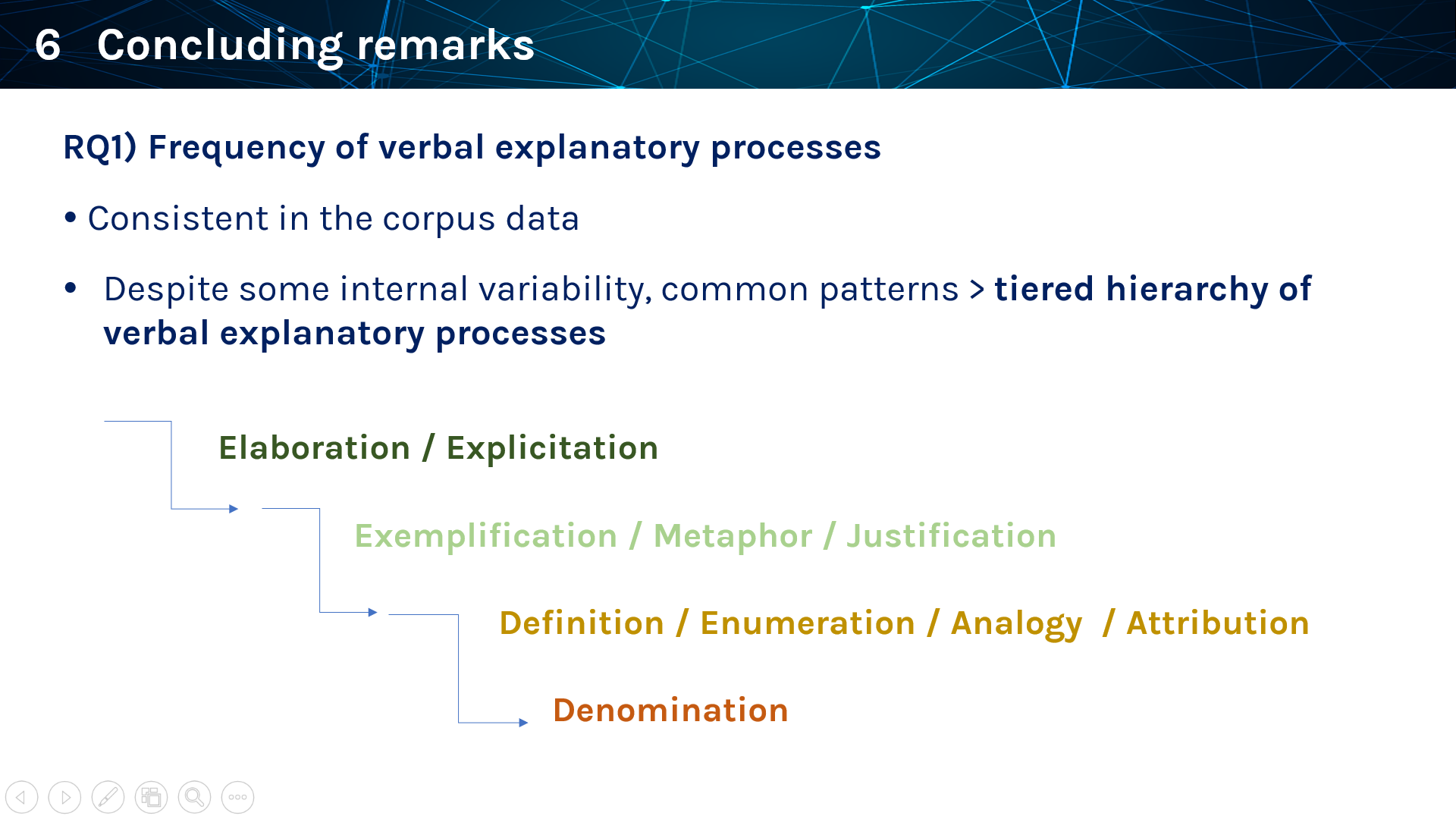
Daniel’s paper was titled “The strategic use of verbal explanatory processes in Ask-an-Expert climate websites”. His presentation centred on identifying prominent explanatory strategies and discussing their effect with regard to asynchronous expert–non-expert digital communication.
Have a look at his abstract here:
The strategic use of verbal explanatory processes in Ask-an-Expert climate websites
Digital practices for disseminating scientific knowledge are increasingly designed to facilitate communication between experts and diverse audiences. This paper examines Ask-an-Expert websites focused on climate and environmental topics, where users submit questions answered by accredited professionals (Pounds 2018). These experts aim to make communicative efforts to bridge potential ‘knowledge asymmetries’ (Kastberg 2011) related to disciplinary knowledge, and construct digital spaces of credibility and trust. The purpose of this study is to investigate verbal explanatory processes employed by experts to unpack scientific information in response to user queries.
Building on prior research (e.g., Moirand 2003; Cavalieri and Diani 2019; Mur-Dueñas 2024), a taxonomy of ten verbal explanatory processes was developed to capture the recontextualization of scientific knowledge (Lorés 2024) in climate and environmental discourse. This taxonomy was applied to a corpus of 50 Ask-an-Expert texts collected from two
different websites —MIT Climate Portal and C-Change Conversations— included in the SciDis Database (Pascual and Sancho-Ortiz 2024), which compiles digital practices for scientific dissemination and knowledge transfer. NVivo software was employed in a mixed-method approach combining qualitative and quantitative analyses.
Results reveal that experts frequently employ elaboration, explicitation, enumeration, and exemplification to clarify topics and concepts potentially unfamiliar to users. Metaphors and analogies are recurrently used to translate abstract ideas into accessible terms, while definition, denomination, and justification processes are strategically deployed to highlight specialized terms and provide reasoned explanations of environmental issues. Implications are discussed with reference to contextual examples of these processes, illustrating the asynchronous, bidirectional interaction between experts and heterogeneous audiences on Ask-an-Expert websites. These findings offer insights for researchers and scientists seeking to communicate disciplinary knowledge effectively to digital publics, demonstrating how targeted verbal efforts can enhance understanding, engagement, and trust in online scientific
communication.
References
Cavalieri, S. & Diani, G. (2019). Exploring health literacy. Web-based genres in disseminating specialized knowledge to caregivers. The case of paediatric neurological disorders. Lingue Culture Mediazioni/ Languages Cultures Mediation, 6(1), 89-105. https://doi.org/10.7358/lcm-2019-001-cadi
Kastberg, Peter (2011). Knowledge asymmetries: Beyond “to have and have not”. Fachsprache: International Journal of Specialized Communication, 34(3-4), 137-151.
Lorés, R. (2024). Digesting psychology: Metadiscourse as a recontextualizing tool in the digital
communication of disciplinary research. Chinese Journal of Applied Linguistics, 47(2), 178–195. https://doi.org/10.1515/CJAL-2024-0202
Moirand, Sophie (2003). Communicative and cognitive dimensions of discourse on science in the French mass media. Discourse Studies, 5(2), 175-206. https://doi.org/10.1177/1461445603005002003
Mur-Dueñas, P. (2024). Digital dissemination practices: An analysis of explanatory strategies in the process of recontextualising specialised knowledge. Discourse and Interaction, 17(1), 94–114. https://doi.org/10.5817/DI2024-1-94
Pascual, Daniel & Sancho-Ortiz, Ana Eugenia. (2024). Investigating recontextualisation processes in scientific digital practices: The SciDis Database. Revista Electrónica de Lingüística Aplicada 23, 101-118. https://doi.org/10.58859/rael.v23i1.649
Pounds, G. (2018). Patient-centred communication in Ask-the-Expert healthcare websites. Applied Linguistics, 39(2), 117–134. https://doi.org/10.1093/applin/amv073